Medicine as an Act of Social Engagement

Throughout history, the most influential leaders in medicine, art, and other creative endeavors have traveled – both to teach and share expertise, and to learn. It was very early in my career that I discovered the enormous opportunity to gain experience and make a difference through travel. I was interviewed for the RCSI Alumni eNews in January of 2021. The full interview can be found here.

Over time I will be adding more interviews, podcasts and other media on my INTERVIEW page.

In that interview I reflected on how experiences and chance encounters can alter the trajectory of one’s life, both professionally and personally. “One of the most illuminating experiences of my life was the summers I spent abroad as part of the Overseas Elective Scheme organized by RCSI. During the summer of my third year at RCSI, I worked as a night watchman and, after paying my fees, I found I had £800 left, which gave me the opportunity to travel.

I subsequently travelled abroad as a med student on a number of occasions, even spending 2 months alone with 2200 Tibetan monks in a remote monastery: “I lived in a room beside the cow shed. No windows, no light, no running water. That certainly taught me to appreciate the small things, like hot water”. You can read a full article on that experience here – “Planting mangoes for the future in Tibet.”
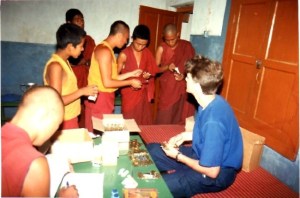
From my time in the Tibetan monastery.

These experiences combined with my time in RCSI served to broaden my horizons and I developed a global outlook towards medicine. “Ireland at the time was a very sheltered country but I think I was changed fundamentally as a result of the time I spent abroad and the incredible people I met at RCSI. It allowed me to think globally rather than parochially. There was so much raw talent amongst my classmates. To this day, I am proud to say, they are some of the finest people I have ever met.”

We are shaped and influenced by friends, colleagues, and the culture and leaders in our workplace – wherever that might be. I welcome your comments, questions and insights gained from your own travel and social engagement.

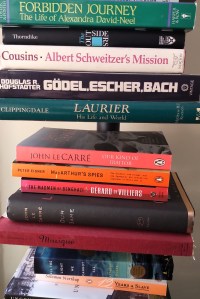
Are Inventors a “Community of Readers?”

These days at the touch of a finger anyone can Google anything and get anywhere from a snippet of information to a well-researched article. It is a sort of literary exploration – even learning. But to hold the result of another person’s passion, heart, knowledge, imagination, insight – blood, sweat and tears in your hand in the shape of a book is another experience altogether.

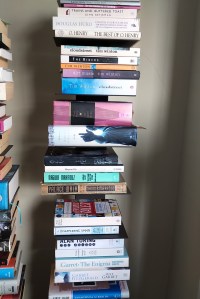
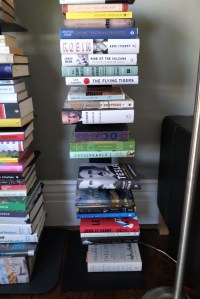
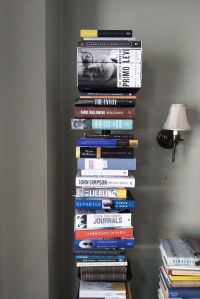
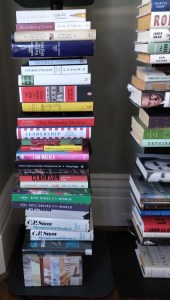
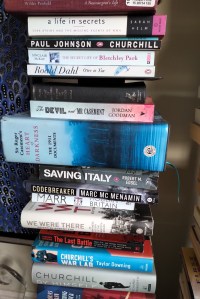
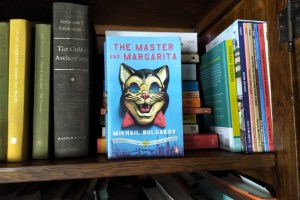
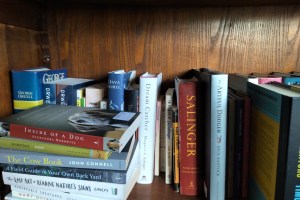
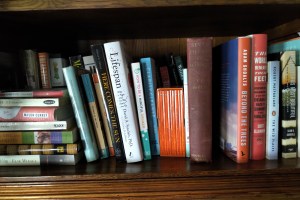
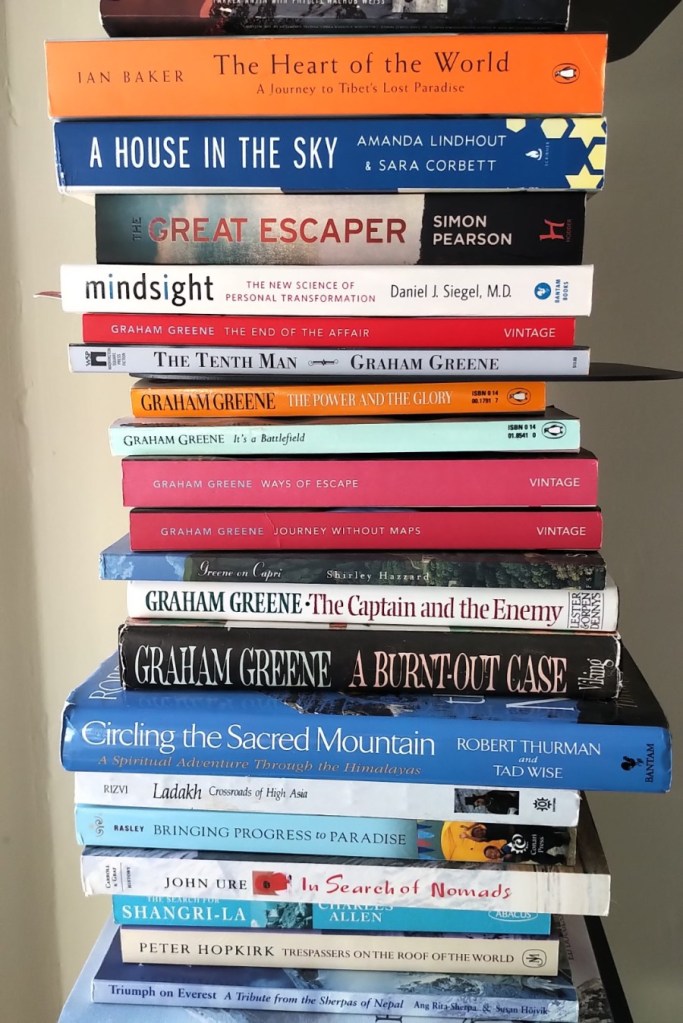
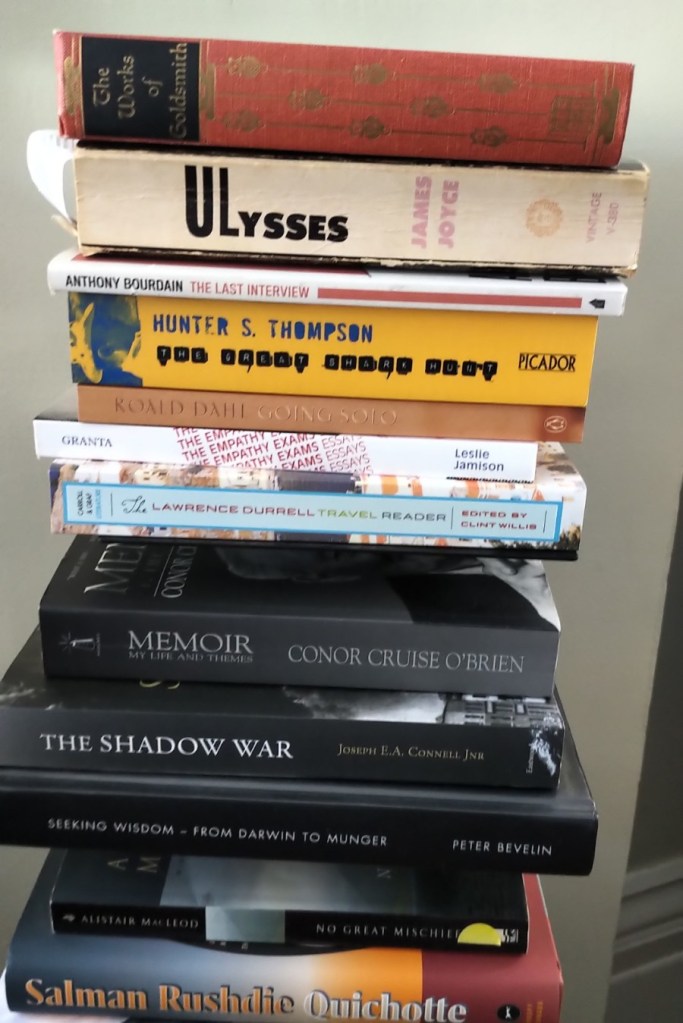
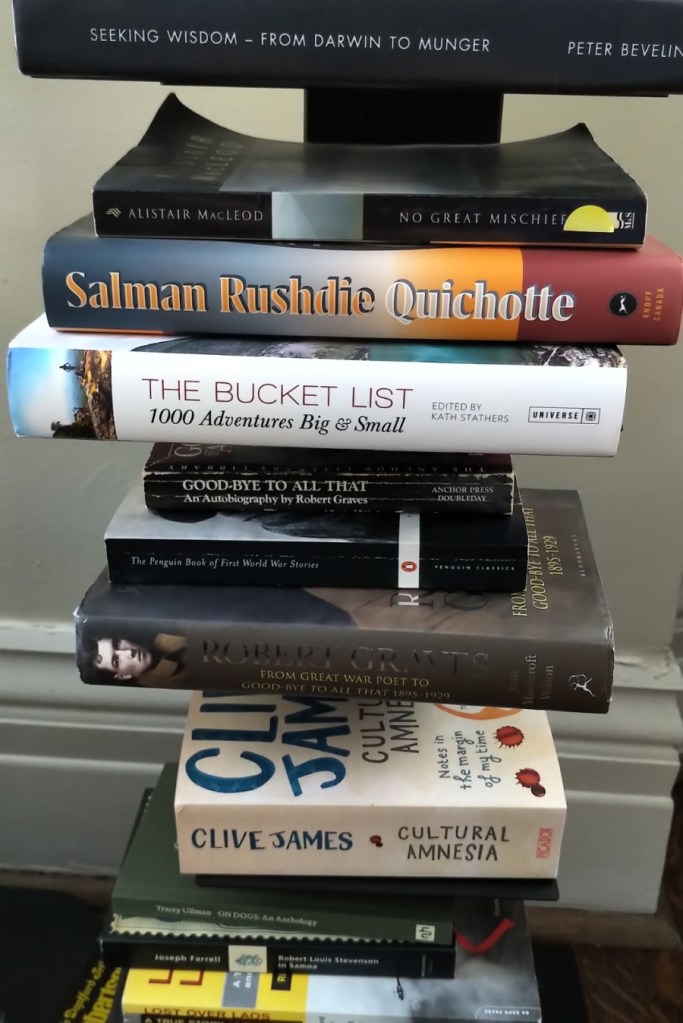
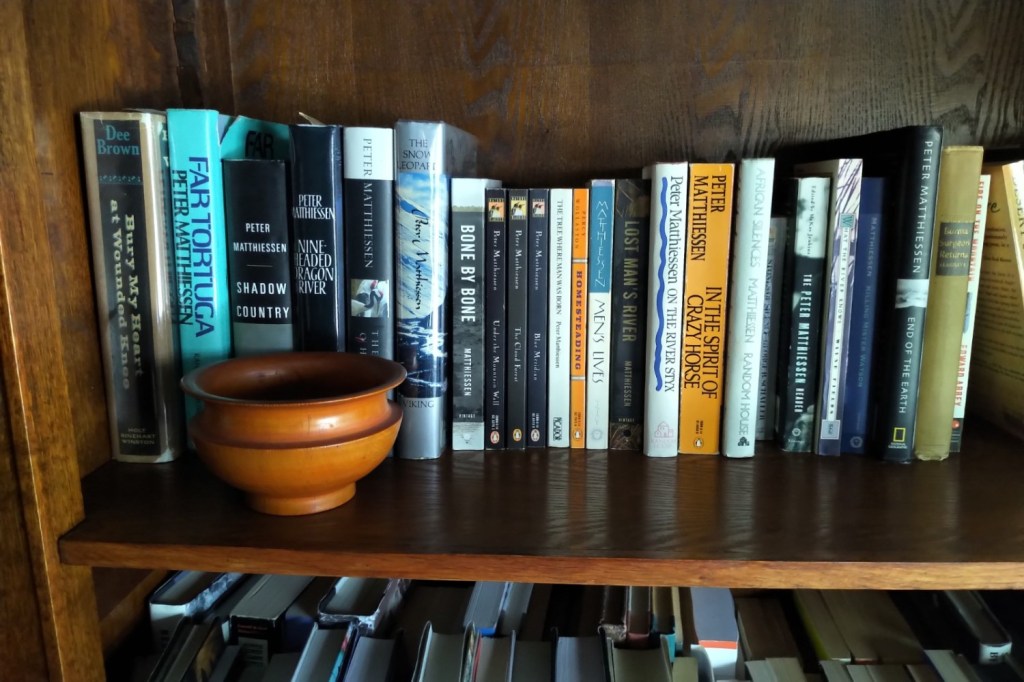
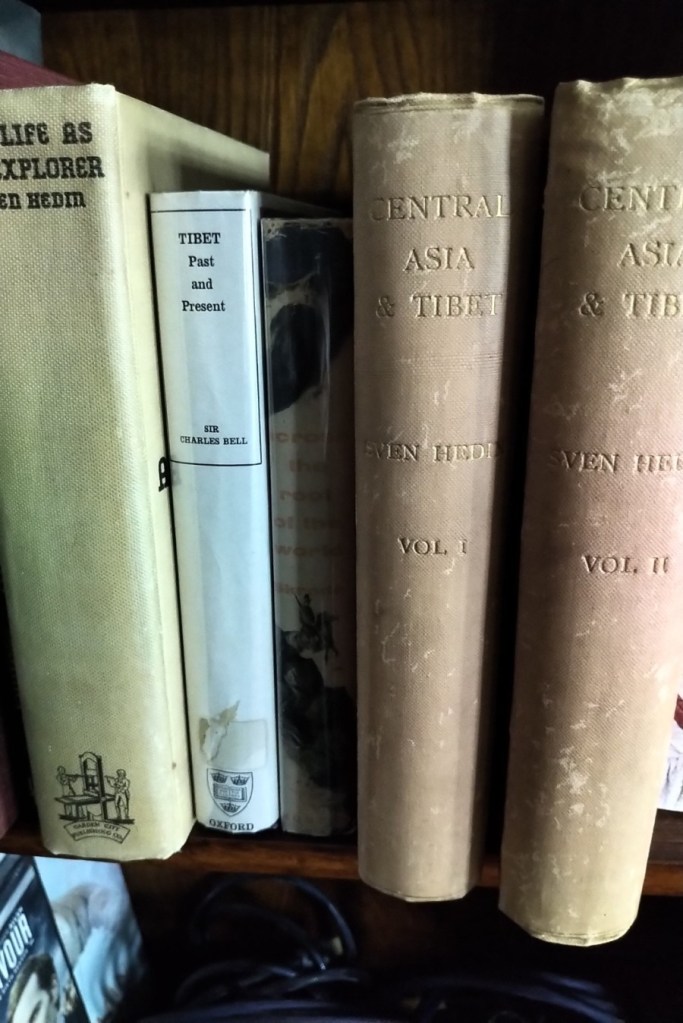
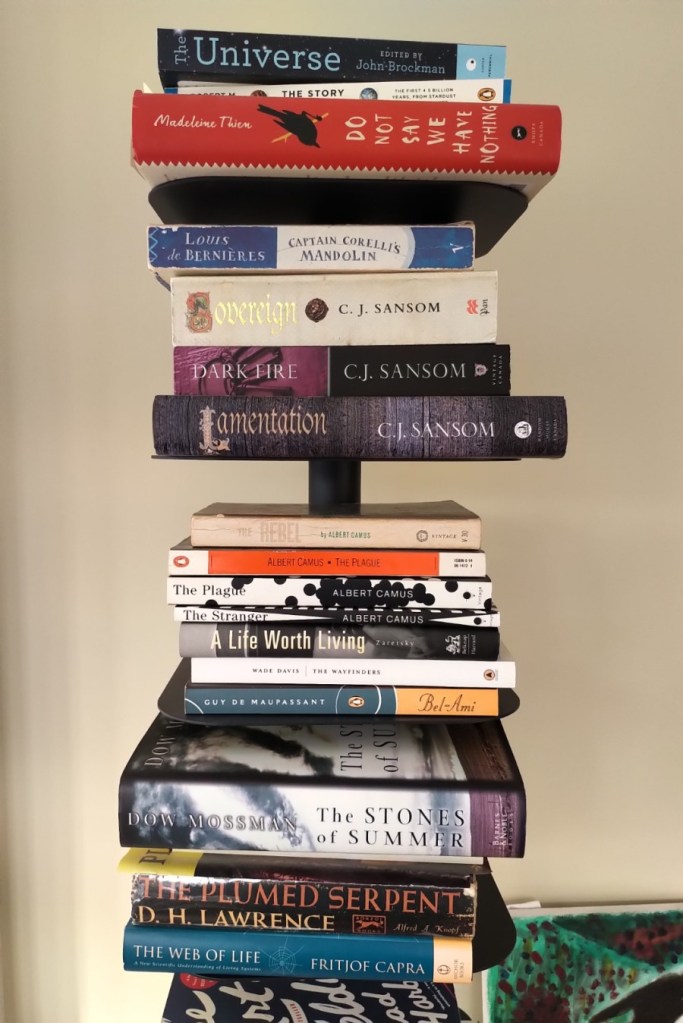
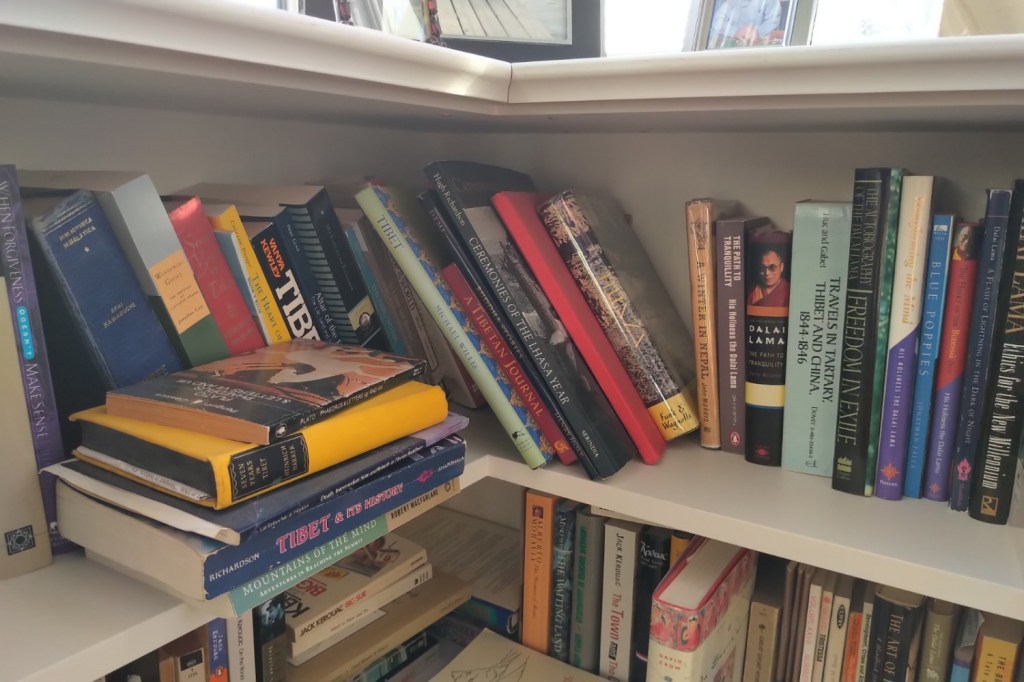
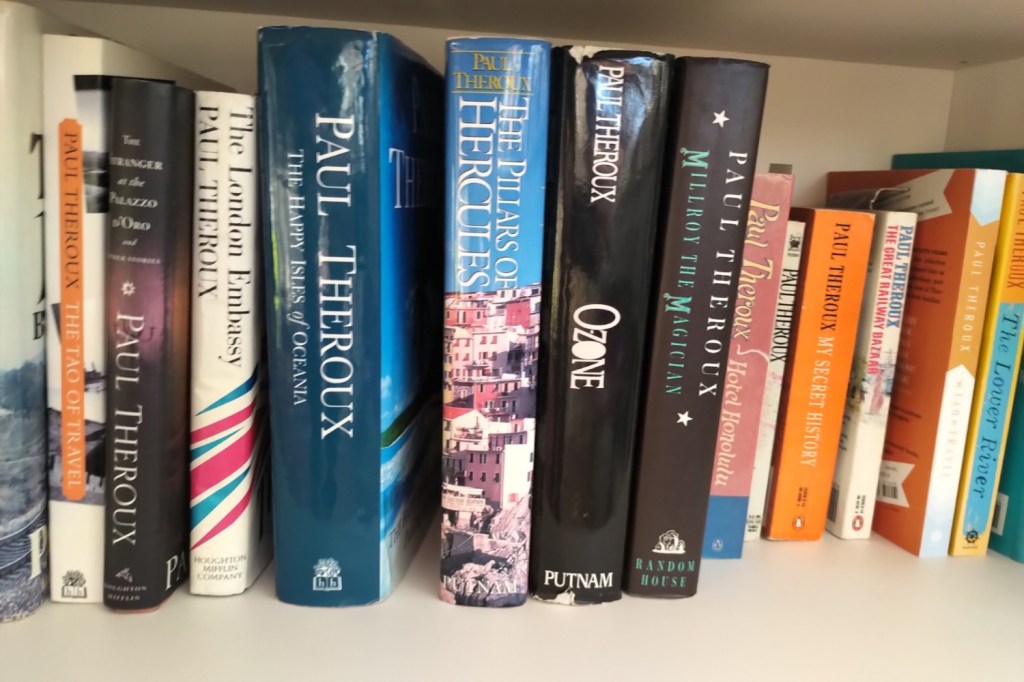
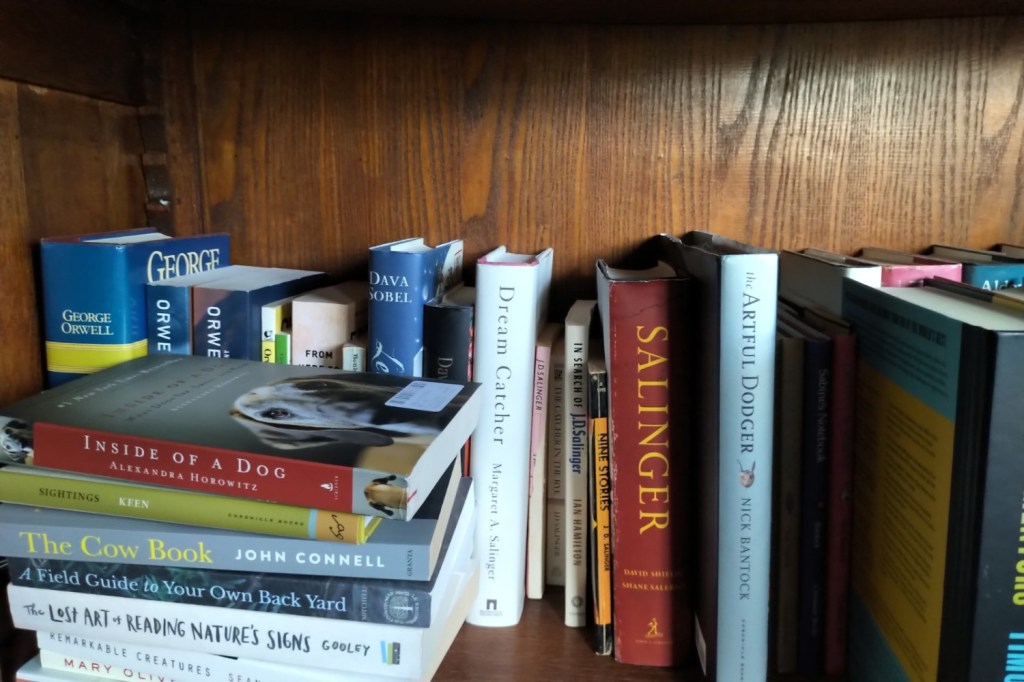
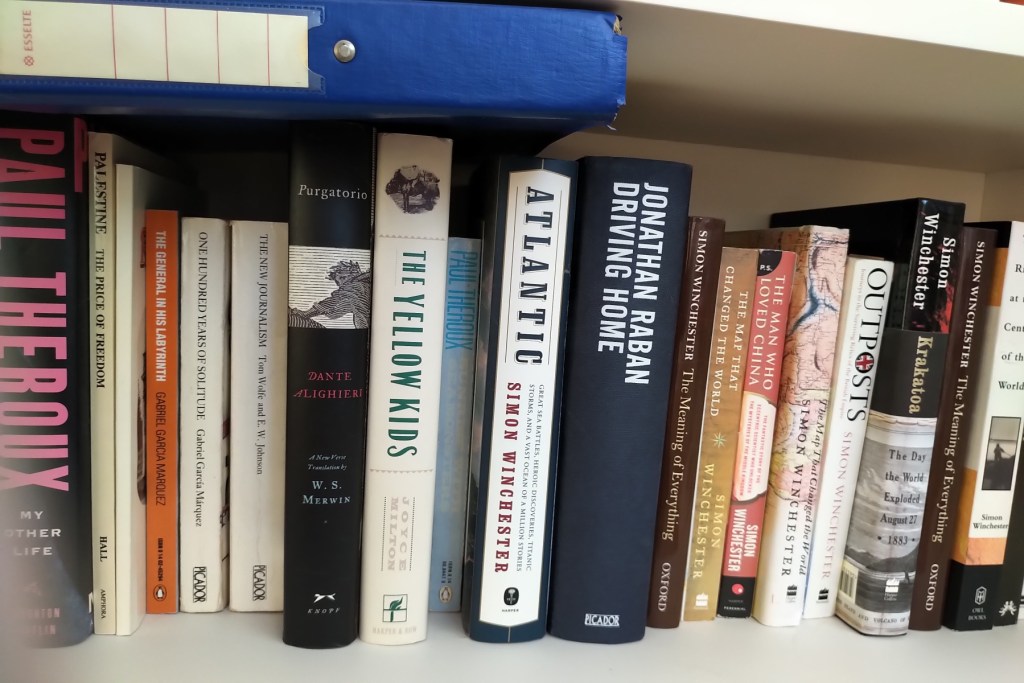
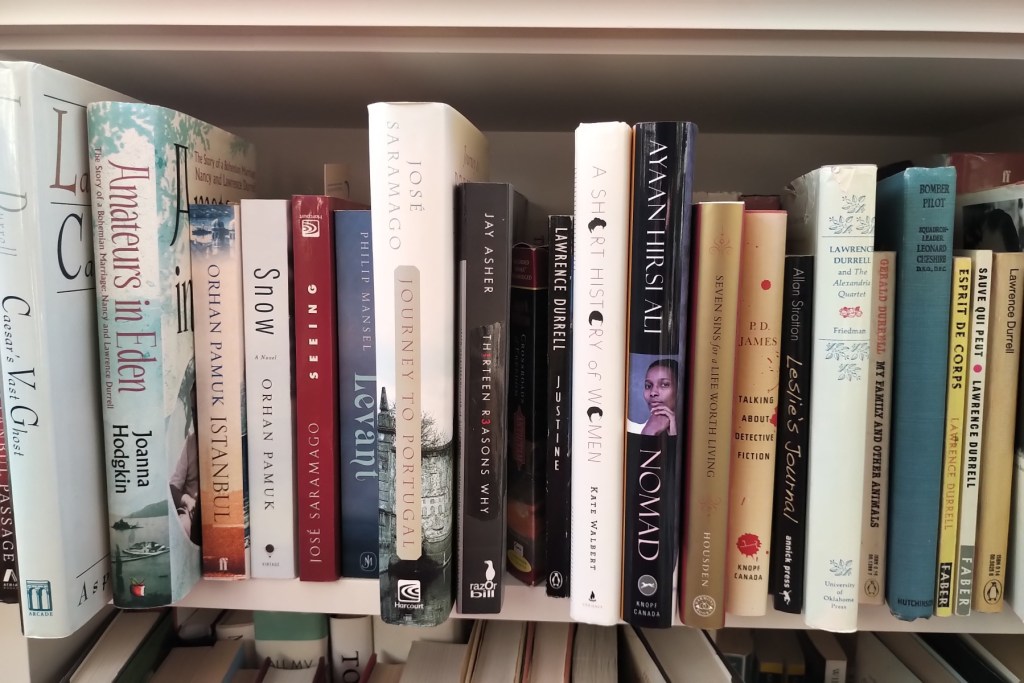
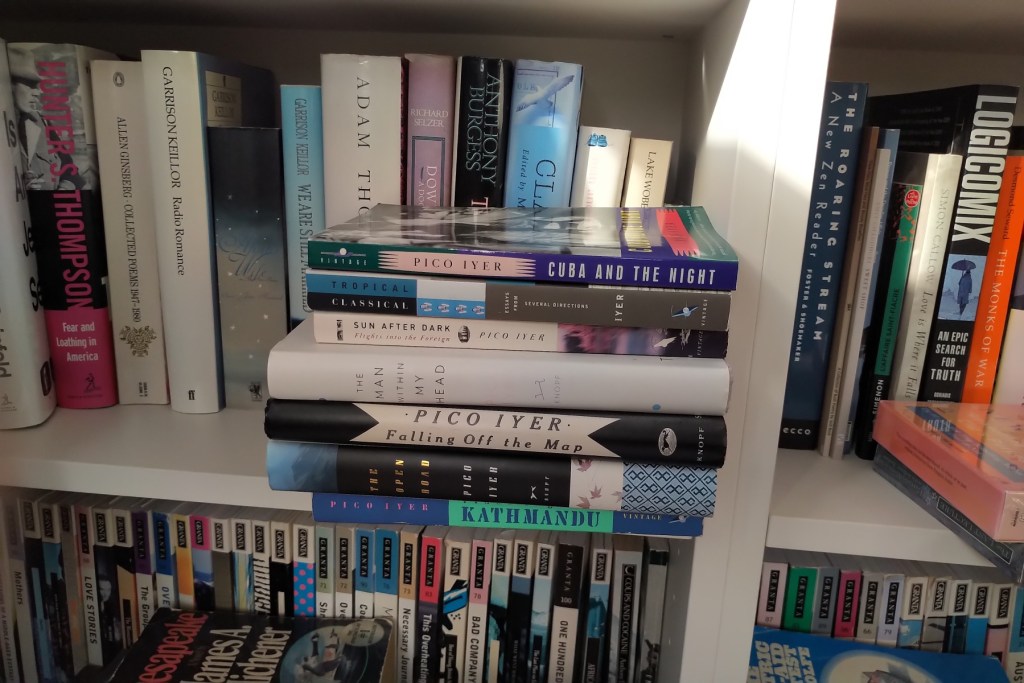
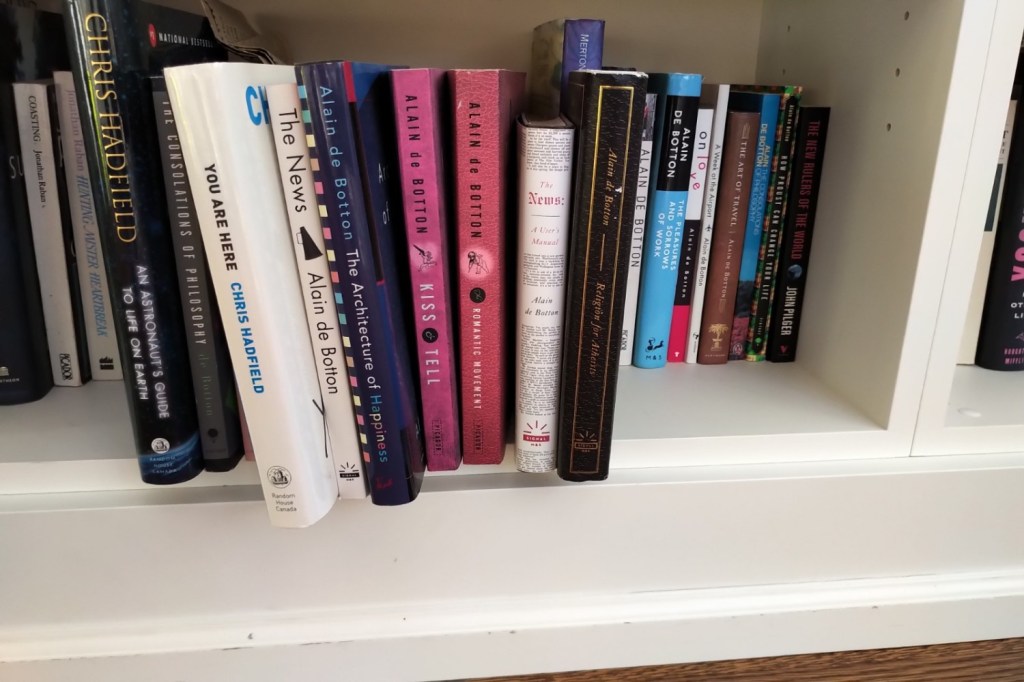
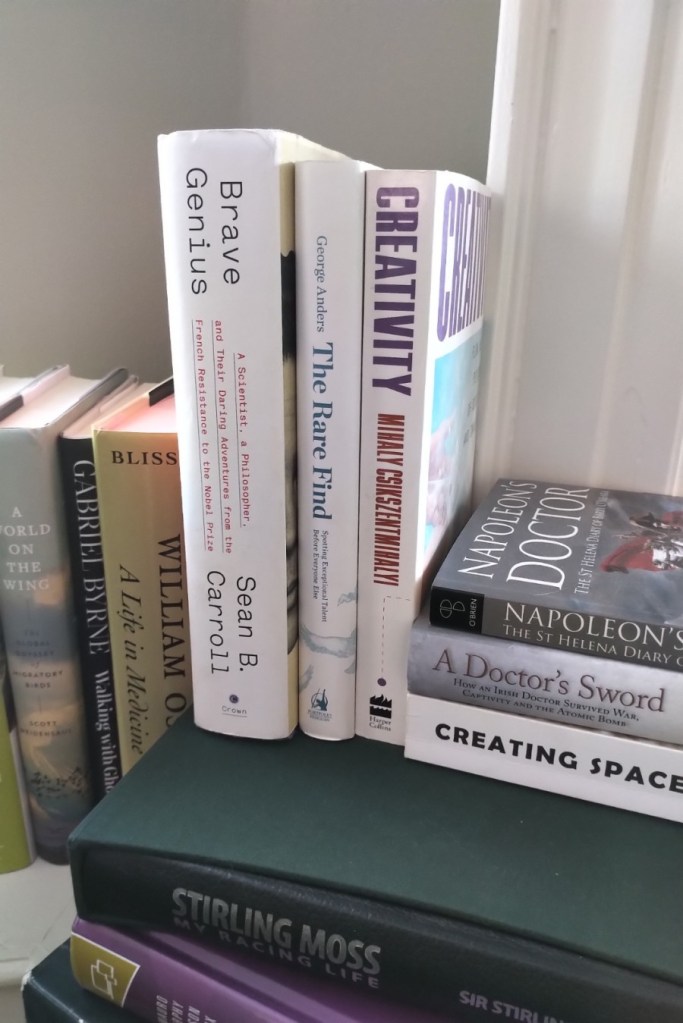
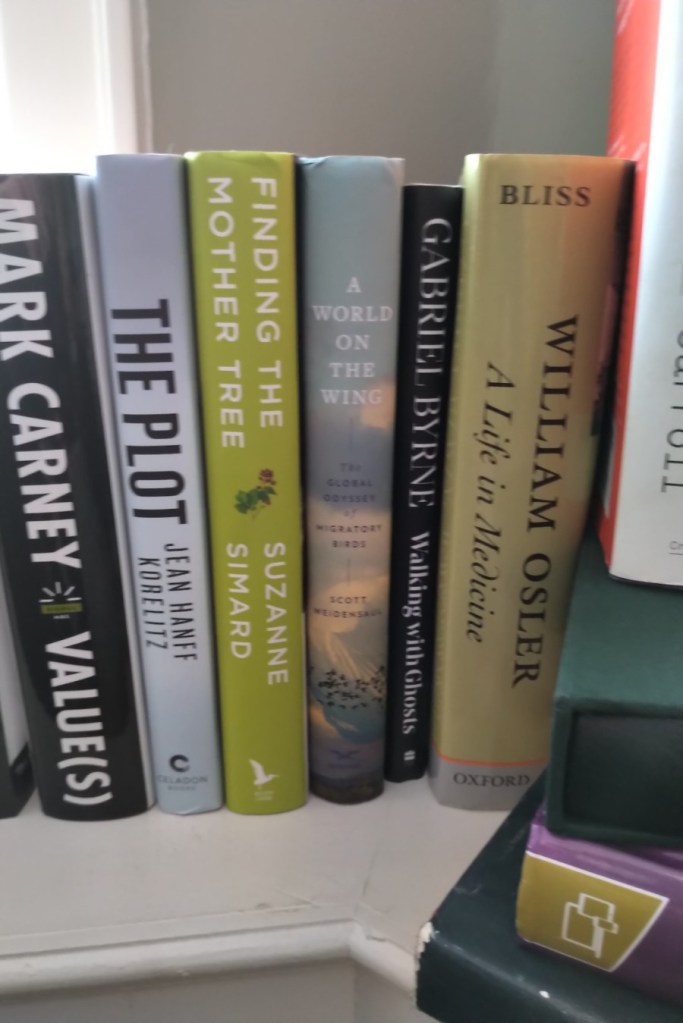
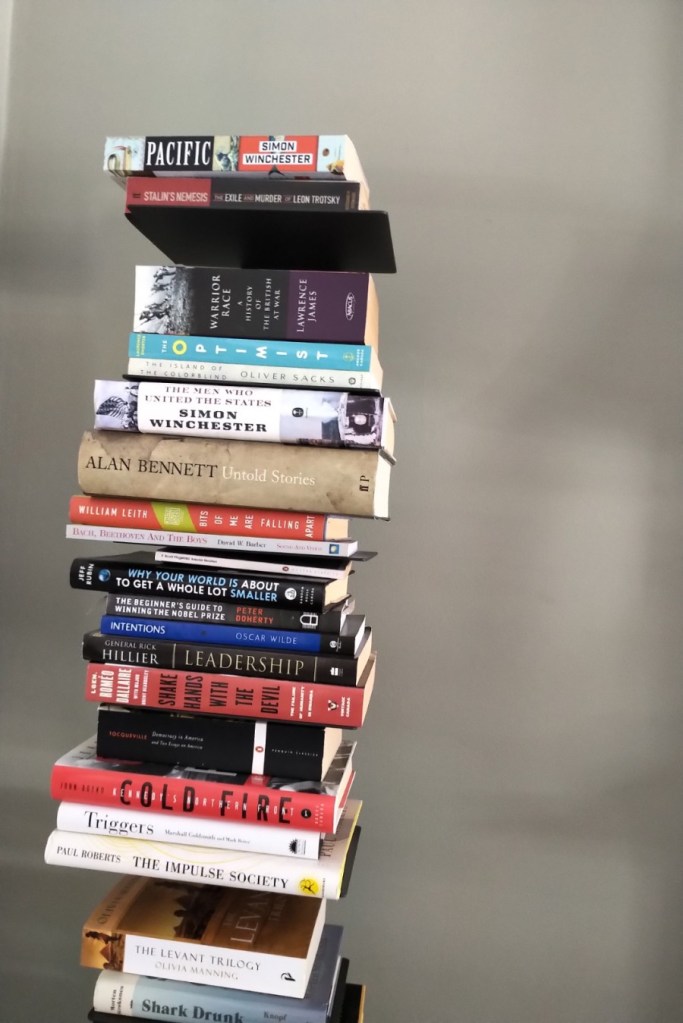
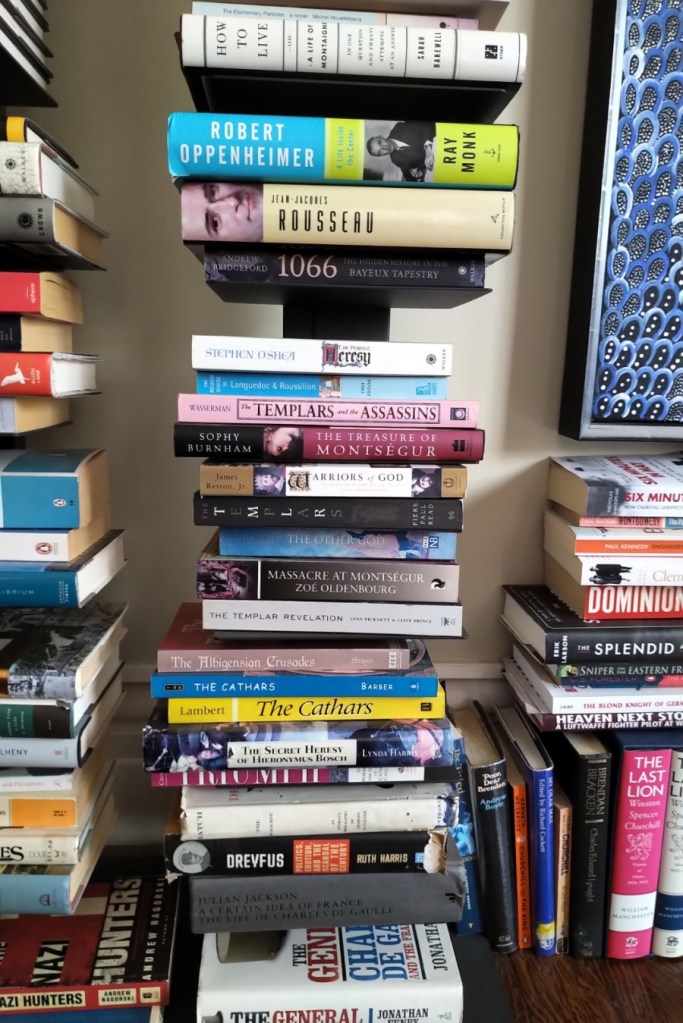
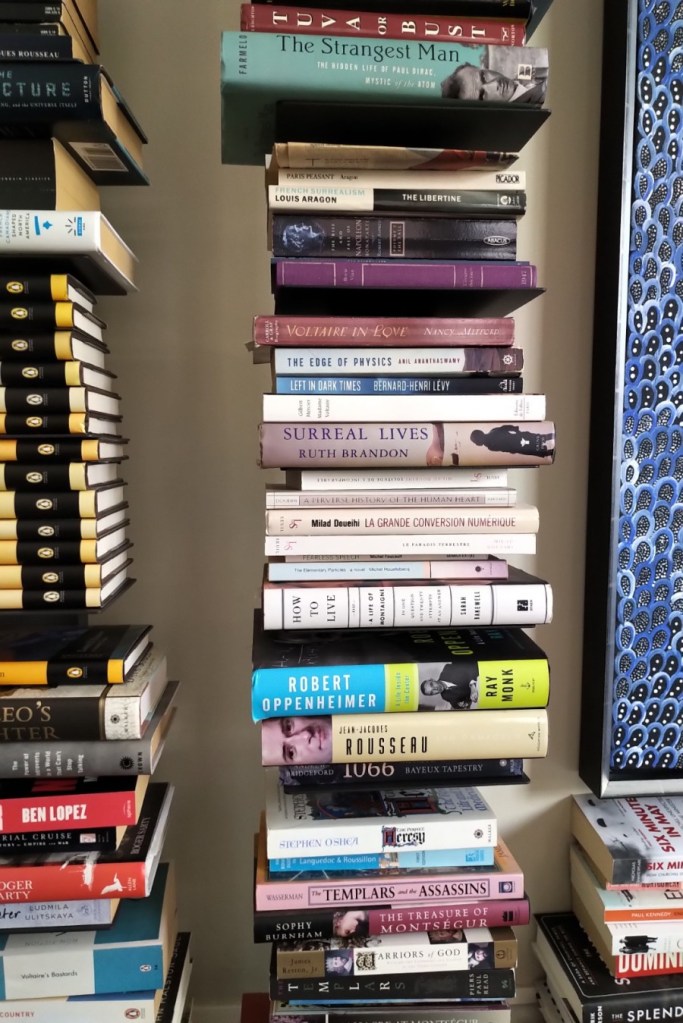
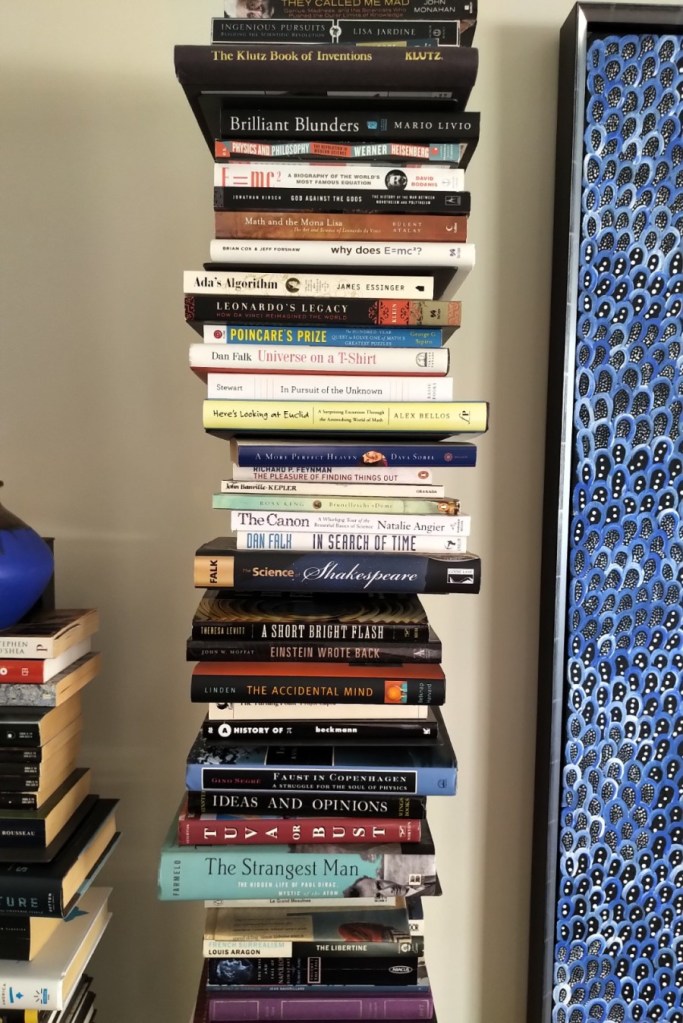
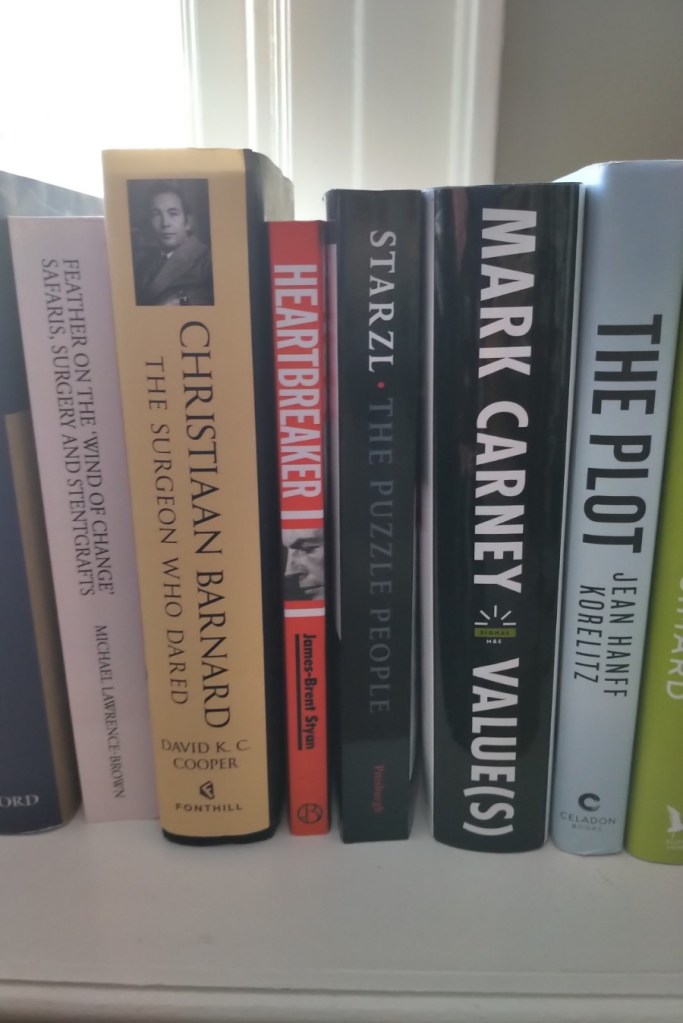
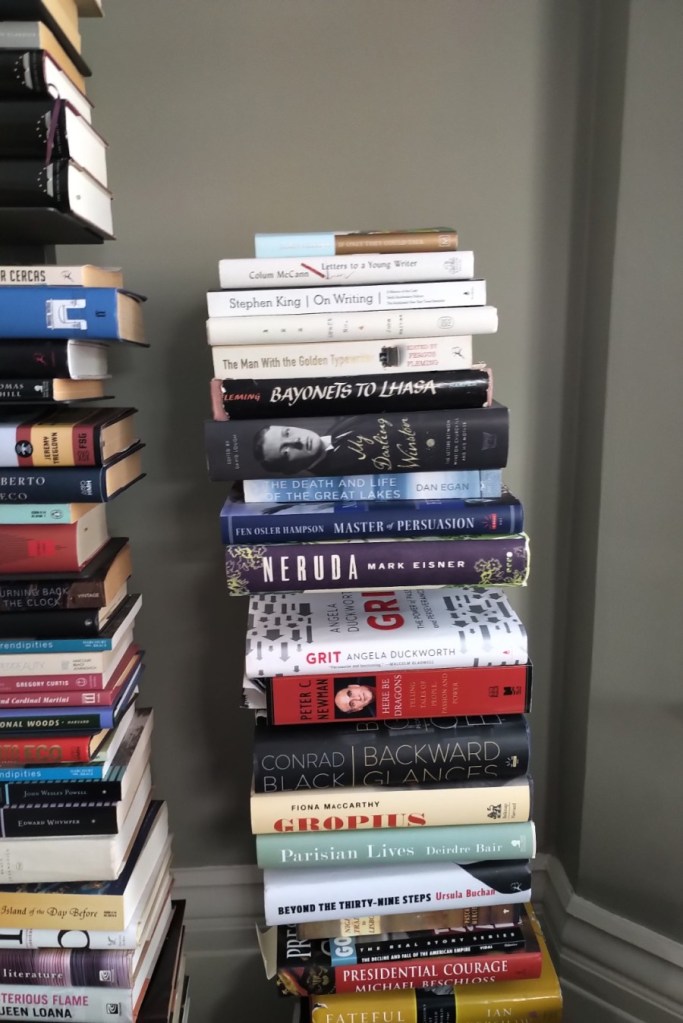
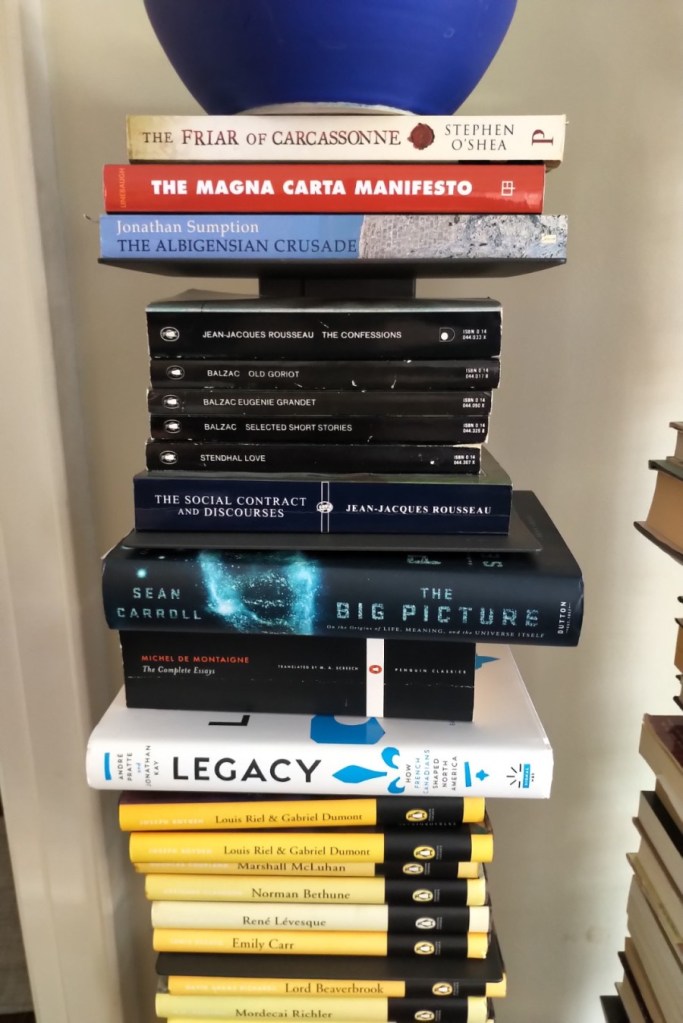
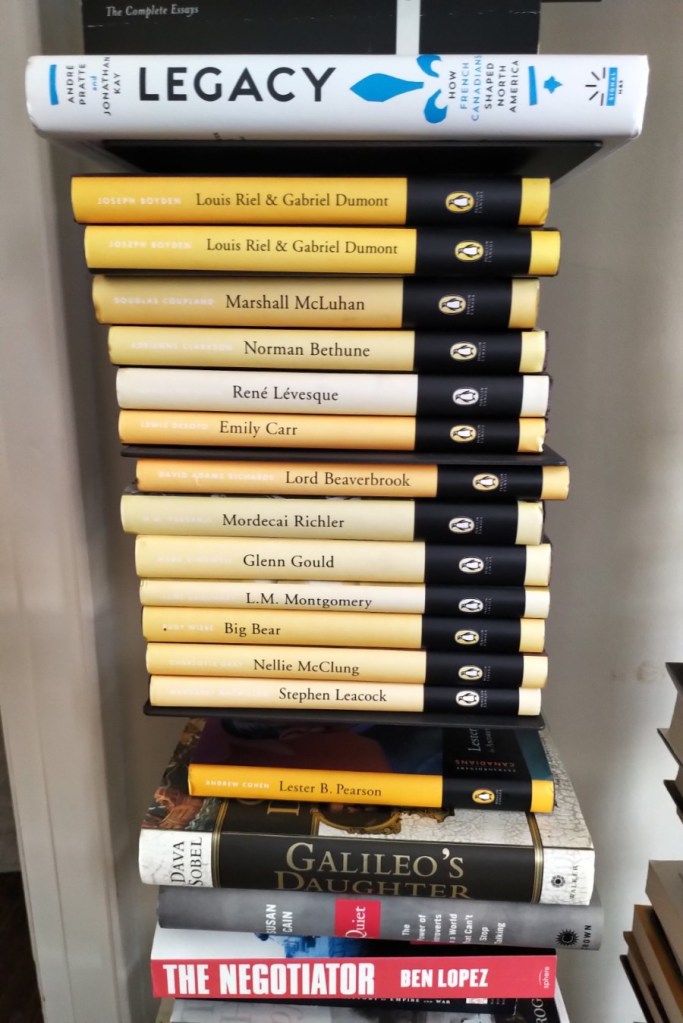
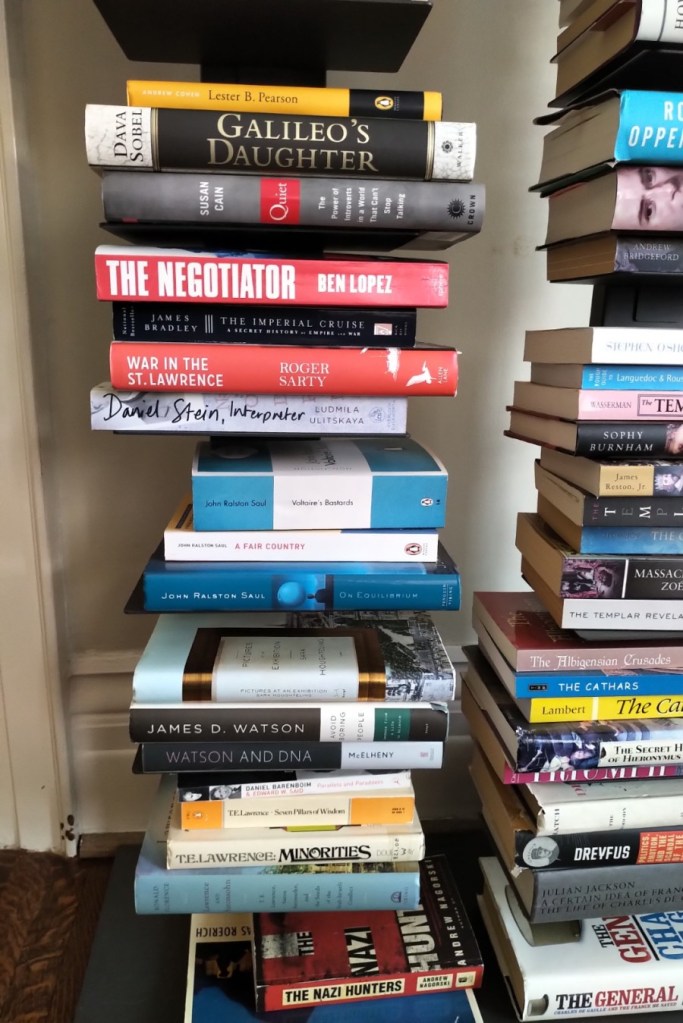
Essayist Walter Benjamin says it this way, “You could tell a lot about a man by the books he keeps – his tastes, his interest, his habits.” Below I have shared a gallery of some images from my personal library. Take a look around and you will get to know me in different way than through my professional bio.

Many of the books I have read have taken me into the world of the creative mind, into the life of those who invent, and the wonder of how collaboration, serendipity and even war, migration, self-experimentation, sacrifice and perseverance play into the process. I value those books and their authors even more as I have been working on my own book on invention for over a year. I often wonder if others in the community of inventors read with such curiosity and awe as I do.

And my reading isn’t limited to books. As an inventor I benefit from an awareness of technology from non medical industries. Being educated and conscious of technologies in unrelated fields can often be applied to treating medical diseases. It creates a sort of “appositional” thought that could be synonymous in some ways with the term “cross-pollination.” I deliberately read literature that includes publications like Wired Magazine, Fast Company, The MIT Technology Review, The Economist, The Financial Times Weekend Edition, and frankly an enormous amount of physics literature related to quantum mechanics, field theory, string theory, and theories which align all those theories. I find this helps me as an inventor.

I will be sharing more in-depth discussions about books that have had an influence on me in the BOOK section of this website. I am curious about and interested in what you are reading. Are any of the books in my library favorites of yours? Why? Are you the author of any of those? Please comment and share.

Invention: A Source of Pain and Pride

Every person who invents multiple items has some favorites. I am a great believer in the power of the flow state, of time that allows for incubation of an idea and an opportunity for many hours of solitude. This can happen on a long airplane flight. One of my favorite inventions is a hand-held disposable ozone generator, the size of a 20cc syringe, which I designed on an eight-hour flight home from a “neuro” meeting in Bologna. IN 2011 the US FDA was giving us grief over it, but it is brilliant and builds on the idea of Mario Muto and the other brilliant Italian interventionalists who started doing this procedure. Airplanes are great because you get left alone for long periods of time which is essential for creative thought.

Another favorite invention is my density and drug-eluting coronary stent design which you can see at implantation but elutes density over time allowing visualization of the lumen on CT without beam hardening artifact. I am proud of the inspiration and perseverance that led to that device.

I have to add to my favorites the use of parathyroid hormone systemically in pulsed doses to integrate bone cement. This delivers like fertilizer in a garden, as a spray using a vibrating needle, not a weight-bearing cement injection. One thing I learned in exploring this innovation is that we have to move on from focusing on the implant which is so industry-driven. The future is about biomiomicry, doing things and leaving no footprint. There is no end to the opportunity for minds that are prepared and individuals willing to put forth the effort and passion to innovate.
Where are opportunities? Cardiologists know that while they may stent a vessel, the plavix and lipitor and angiotensin-converting enzyme are the critical long-term elements, not the stent. We have to get to this point.

When you invent something, it takes 5–7 years for it to become accepted. All the time you wonder if you are right. Last year, I saw a lecture by a US naval officer about his work after the tsunami off Indonesia and he showed a picture of a CT-guided biopsy of spinal osteomyelitis and they were using one of my biopsy needles. There is no greater sense of accomplishment than making a positive impact on the patients whose lives are better because of my work – because of all the work of those who dare to invent.

A Blog Inspired by a Book

I am in the process of writing a book that will not focus on phones, apps, or social networks. It will instead examine the minds and behaviors of Medicine’s creative class where the stakes are health and life itself. A single talented medical inventor can reduce suffering around the world. The reality of the process of invention is that only about 4% of physicians put in the blood, sweat, self-experimentation (often), money, time and perseverance needed to bring a great medical device idea into production and accessibility to those who need it.

You may have discovered this blog because you are a lay person outside of the medical field who is simply curious about how medical devices are conceived and invented, and where ideas come from. You might be a college student hoping to enter medicine, biomedical engineering, or the applied sciences. Perhaps you are an undergraduate who will join in on the conversations that will happen here and consider a future that you might not have previously envisioned.

One motivation for writing my book and sharing the stories of inventors and invention itself, is to plant a seed for nurturing and recruiting individuals who will change the course of medicine and medical devices. My hope is to encourage young inventors to engage in causes or to envision taking “the road less traveled.” But let’s be clear, there is no age limit on inventiveness. Inventive people are creative though out their lives, just as funny people are funny throughout their lives.

When my book is published you will be among the first to hear about that. Meanwhile, I look forward to sharing ideas and musings with you all.

Improvise and Innovate

Making a difference for patients doesn’t always look like creation of a new medical device or procedure. Sometimes the most ordinary choices create extraordinary outcomes both for patients and for our own perspective on what we do and where our value lies.

 I have chosen to participate in extensive medical volunteering work, including founding a primary Health Care Clinic at the Tibetan refugee in southern India. Not only did that work add to my experience, it also helped me realize how lucky I am. Importantly, it also taught me to improvise. When you have to find a solution and you do not have a lot of options, you must improvise and that skill is very useful.  Sometimes we forget why we became doctors. Volunteering and such things to remind us how lucky we are. We have the skills that are needed all over the world. It’s important to give it back. One way is to educate. Because in that way you can have conversations that you couldn’t have anywhere else and you could inspire people to do different things. That’s the whole world of mentorship and mentorship is very important.

Sometimes an overwhelming challenge will tap into my nature of being able to improvise. For example, I had many tough cases at (Johns) Hopkins in the 10 years from 1998 to 2008.

Phillppe Gailloud was then my fellow attending. One night, we had a hell of a case—a truck driver had a basilar thrombosis a left vertebral artery stenosis, a right vertrebral artery occlusion, a left carotid occlusion and a right carotid severe stenosis. I needed stents and had none. I went upstairs at about 2am, tried to get into the cardiology store room and could not. So I lifted up the ceiling tiles and climbed in from the room next to the store, stole the stents and stented his right carotid and his left sublclavian, angioplastied his left vertebral artery and thrombolysed his basilar occlusion.

He did really, really well and was discharged the next day— I was in trouble for messing up the ceiling in cardiology.

Improvisation doesn’t always turn out with such positive results, but when it is grounded in a history and experience of such actions over time, the odds are in favor of best possible outcomes.

One of the Key Elements of “Inventorship” is Friendship.

When we think about inventors, we tend to focus on behaviors of a handful of legends like Elon Musk or Jeff Bezos. Does it ever seem to you that they and their ilk are the kind of people who are laughing at you, not with you. The reality is that far more creativity and productivity comes from working in an atmosphere of friendship rather than intimidation.

The role of friendship in the workplace is a critical piece of creating a milieu that enables us to be creative and push the envelope. I’m very fortunate to have had great colleagues to work with in my subspecialty at the University of Michigan, Hopkins and at Toronto Western. In Ann Arbor it was a joy to work with Jim Brumberg, Rich Cohen,  Ron Bude, and Jim Meaney. Gemini develops gadolinium enhanced MRA of the carotid’s together with Martin Prince. We experimented on each other injecting bonuses of gadolinium in the MRI machine to enhance our carotid’s. 

In Baltimore I worked with Phillippe Gailloud for 10 years. Initially he was my fellow and then I got him kept on a staff. We worked side by side and took on the most difficult cases in the world. His knowledge of human vascular anatomy in the CNS is unparalleled. In Toronto I work with Roger Smith who is a fabulous human being. Together we have pioneered many new approaches to spine intervention. Between us we have 12 coronary stents and an aortic valve replacement. Clearly this could all go pear-shaped if either or both of us have more chest pain. Having great colleagues like this creates a supportive environment to tolerate local politics local heroes and to take on tough cases where two brains are better than one. We stay in our jobs because of our friendships not because of our administrators and leaders.
Trust and Reliability

The people I work with trust me, and I trust them because of reliability. We have reliability as a constant. We don’t sign agreements; we don’t sign NDAs. We don’t do “sharp practices,” we don’t pull “fast ones.” We’re aware of each other’s foibles and weaknesses, but we’re also aware that everyone can be trusted and are better than anyone else around to work with.
The group I work with tend to have years of knowledge and scars in medical device development from years of work. Most of them are not doctors, they’re engineers with track records at companies like Bard or Becton Dickinson or Medtronic and they reached the point where in their late 50s they live in like Park City, Utah in comfort.
Developing these friendships is critical. It opens doors, saves so much time and makes the world nicer to be in. You can share ideas without looking over your shoulder. Another aspect of a trusted and reliable “friend in the workplace” is the role of a mentor.
(A mentor story here and invite readers to add their own)